
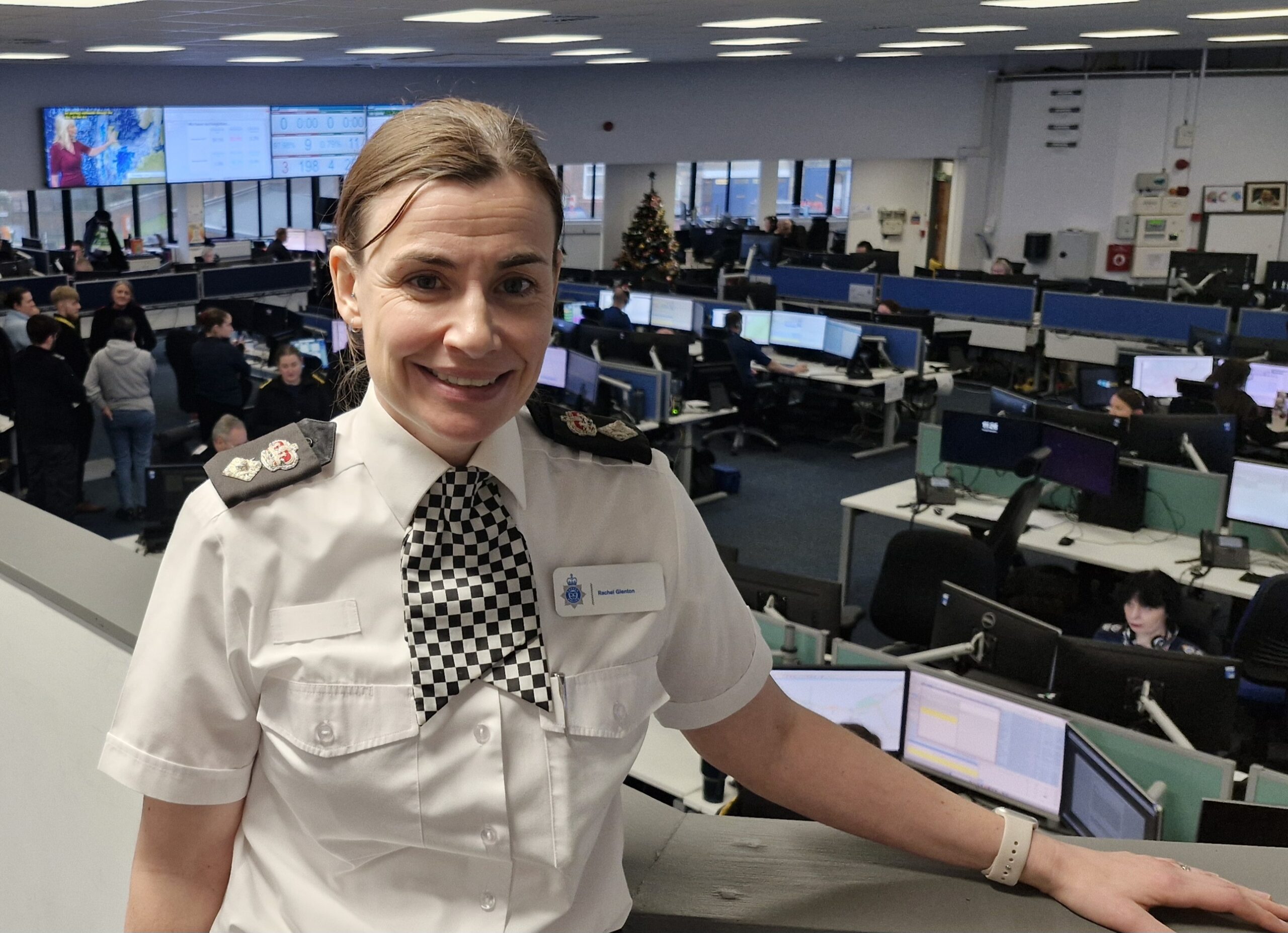
Sussex Police is celebrating after being ranked the top force in the country for answering 999 calls for four months running.
It is understood to be the first force to have performed best on this measure for four consecutive months and marks a notable turnaround.
National figures showed that Sussex answered more than 98 per cent of calls within 10 seconds, outperforming every other force in the UK from August to November.
Last month alone, the force received 22,077 emergency 999 calls, with an average answer time of four seconds.
In contrast, the figure eight years ago, in November 2017, was 81.7 per cent for 999 calls answered within 10 seconds.
In the same month, almost 40 per cent of those dialling 101 gave up waiting for an answer. The “abandonment” rate was just 1.6 per cent last month.
Chief Superintendent Rachel Glenton said that the transformation was, in part, down to new technology which was better at routing and managing 999 and 101 calls in the Force Contact and Control Room.
It meant, she said, “we can deploy people more quickly to where they are needed most.”
Alongside the introduction of new computer systems, the 300-plus staff who crew the contact and control centre round the clock and seven days a week have also been reorganised.
Chief Superintendent Glenton credited “advanced data analytics” as well, with experts using the technology to give the force a clearer overview of demand, staffing and available resources.
The chief superintendent added: “Behind every call is someone who needs help. Being ranked top in the country shows the commitment of our teams to being there for our communities when it matters most.
“This achievement is down to the dedication of our control and contact handlers, who work around the clock in our control room in Lewes, and the improvements we’ve made to our systems and processes to ensure we’re ready to respond.”
Two of the staff members in the contact and control room at police headquarters, David Severn, 26, and Joe Walker, 24, spoke about the pressures of the job. They commonly work 12-hour shifts – day and night.
As quickly as they can, they try to assess the need and the urgency when someone calls 999, as well as the vulnerabilities and the risks, as they work out how best Sussex Police can respond.
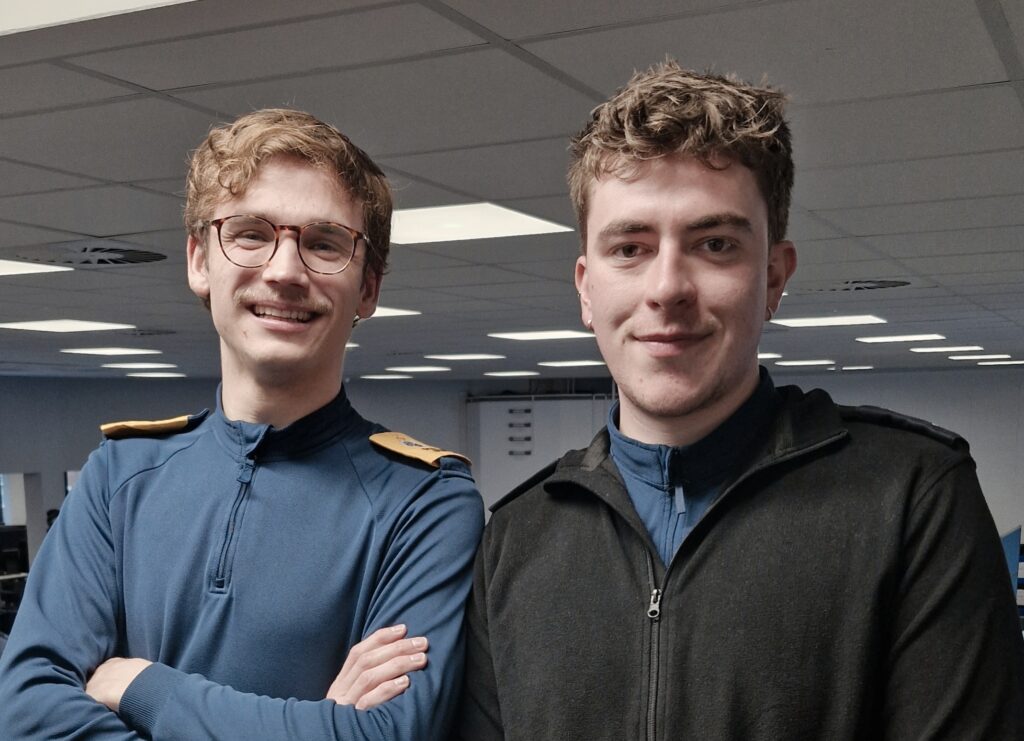
Some calls are harrowing, they said, such as hearing a victim of domestic violence pleading for help, but both took pride in being able to send help.
And while the job is a high-pressure role, with decisions having to be made at speed as they deal with callers in stressful situations, they also praised the support available.
On an informal level, they can talk to those working alongside them who share similar experiences. There are sometime more formal “defuse” meetings after a challenging emergency. And counselling is available.
Chief Superintendent Glenton praised the hard work and commitment of colleagues such as Mr Severn and Mr Walker as she reflected on the “phenomenal improvement” in performance.
She said: “They’re ultimate professionals. They spend a lot of time in here and they have to look out for each other.”
They were, she said, “really focused on the priorities – protecting the public, catching criminals and delivering outstanding service”.
She added: “We’re the first point of contact – and if we can get it right here, we give our teams on the ground the best chance of getting their bit right.”
The number of 999 and 101 calls and reports filed online has reached almost a million a year. The online reports tended to be less urgent but the aim was to respond within 24 hours.
The improved performance was not a one-off and the chief superintendent said: “It just shows how much we want to do well for people.
“Sussex Police remains committed to maintaining these high standards, ensuring emergency calls continue to be answered quickly and effectively so people receive help when they need it most.”