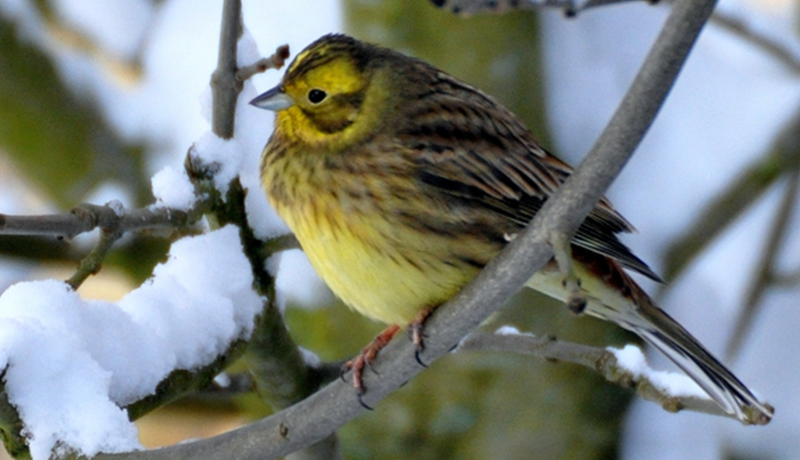
The Big Farmland Bird Count has been extended by a week after the recent wet weather hampered conditions.
The organisers said: “Due to the adverse weather in February, the Big Farmland Bird Count will be extended by another week.
“The national annual census of farmland birds – the Big Farmland Bird Count – is being extended by a week to give more farmers, land managers and other ‘working conservationists’ a chance to get out onto their land to count their birds.
“Because of the exceptionally wet conditions during the count, which began on Friday 6 February and was due to end on Sunday (22 February), the Game and Wildlife Conservation Trust (GWCT) made the decision to let it run until Sunday 1 March.
“The count provides a fascinating snapshot of bird populations on farms across the country and aims to raise awareness of the vital role that farmers and other land managers play in the conservation of our native farmland birds.
“Given 72 per cent of the land is farmed, national biodiversity recovery can only be achieved alongside sustainable food production.”
GWCT’s director of advisory Roger Draycott said: “With an extra week to participate in the BFBC, we would encourage people to wait for a gap in the wet weather and take the opportunity to take part in this hugely important survey of the UK’s farmland birds.
“The BFBC gives us a valuable national picture of the impact of farmers’ contribution to conservation and the data helps us demonstrate why it is essential that the government continues to adequately fund agri-environment measures.
“The more farmers who take part, the clearer the picture we get of trends in the abundance of species and the stronger the message to policymakers.”
The organisers added: “Signing up for the GWCT Big Farmland Bird Count is free and no specialist knowledge or equipment are required, just the willingness to spend half an hour or so on the farm observing the birds around you.
“Participants can input counts instantly out in the field or submit when in an area of signal.
“You do not have to be an expert and there are many useful tools … that can be used.
“In many places, local bird and wildlife groups are working with farmers and land managers to help them do the count. Why not contact your local ornithological group to see if they can help.”
To find out more including how to take part in the count, click here.